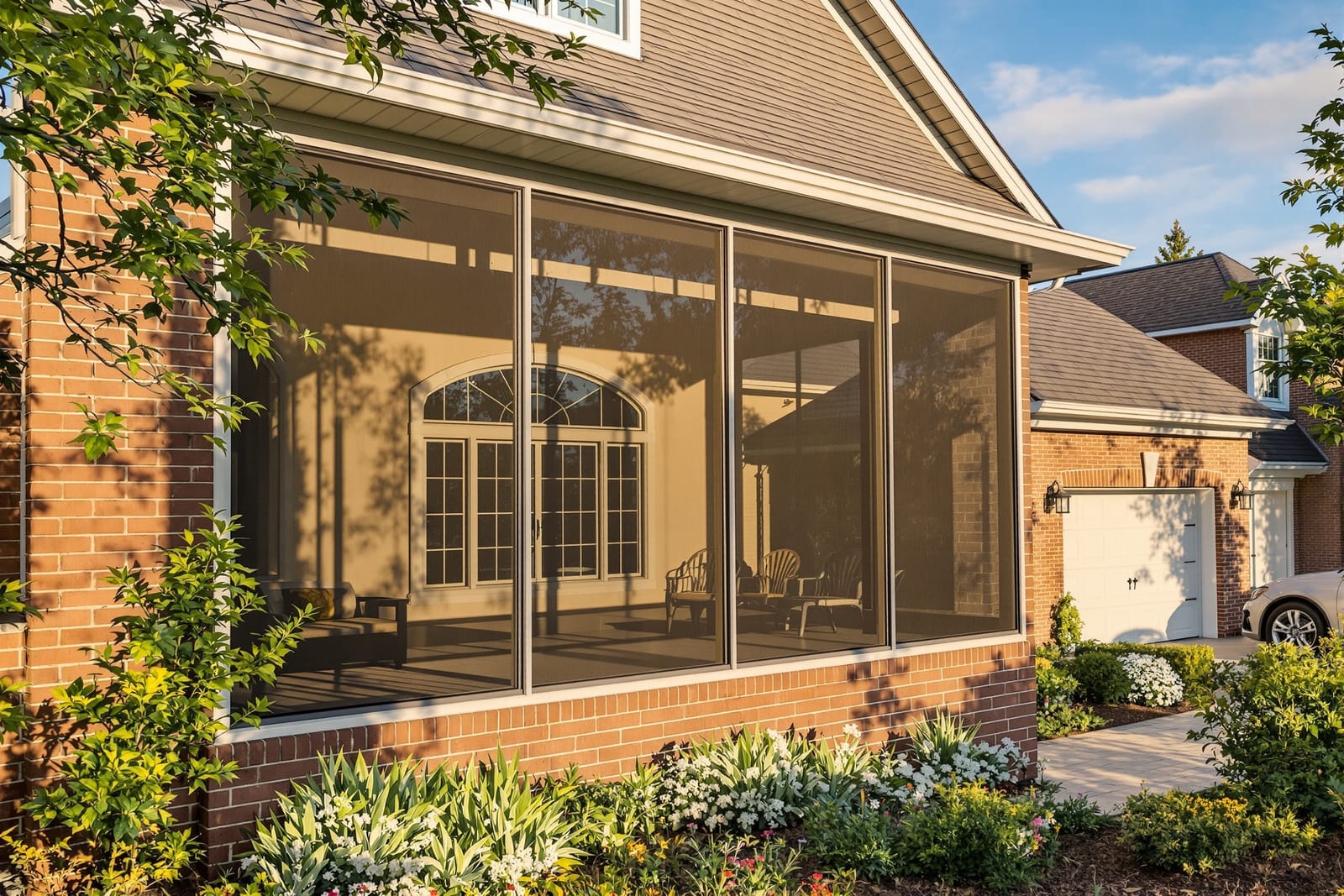
Restore your damaged screens with expert screen repair in Marco Island, FL. We replace torn, sagging, or weather-worn panels on pool cages, patios, lanais, and porches. Our team matches existing frames and mesh so your enclosure looks seamless and performs like new.
Marco Island Screening provides professional screen repair throughout Marco Island, FL, Florida and the surrounding area. Our licensed, insured crew delivers safe, clean, on-time work with a free estimate before anything begins. Call 239-372-0981 or request your free quote.
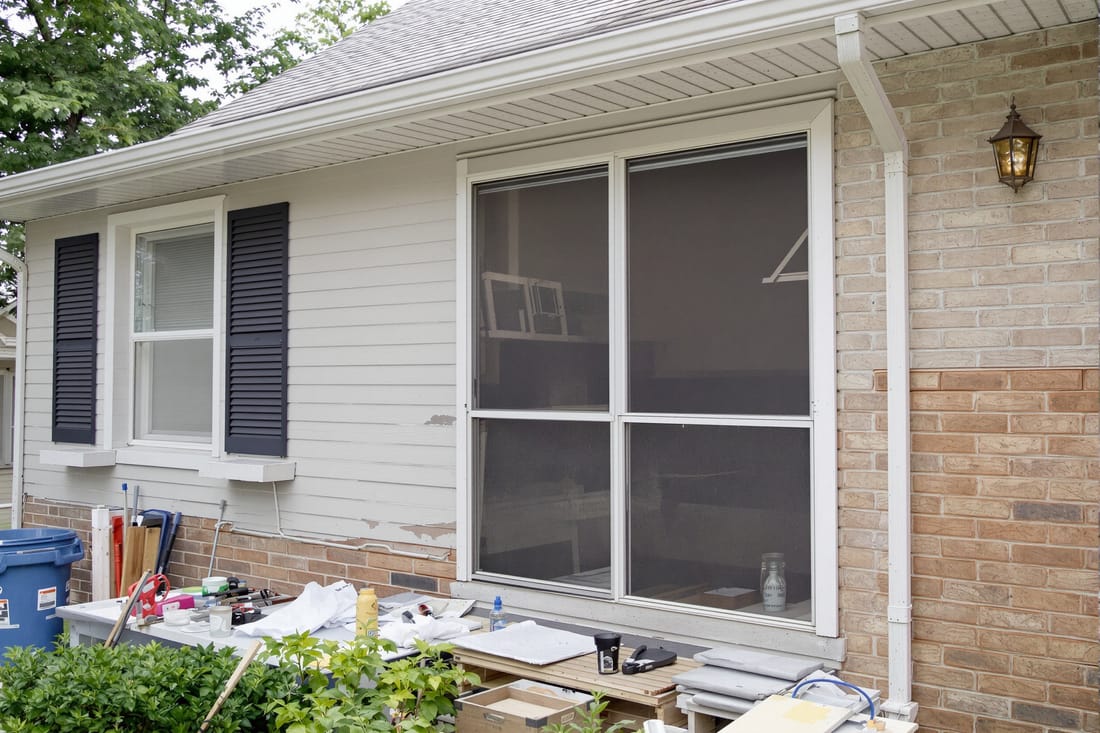
Screen repair on Marco Island that actually stands up to our weather
If your pool cage or lanai screen is ripped, sagging, or full of tiny rust stains, you are not alone. Our salty air, strong sun, and summer storms are tough on screening. At Marco Island Screening, we focus on screen repair that is tailored to Marco Island conditions, so your enclosure looks good and holds up longer.
Every repair visit starts with a walkaround inspection, not just a quick patch. We look for loose spline (the rubber cord that holds the screen in the frame), corrosion on the aluminum, pulled corners, and damage at the roof panels where wind typically hits first. Many customers call about one tear, and we find a few loose panels that would have blown out during the next storm. We point these out and let you decide what to fix now versus later.
You do not have to know what type of screen you have when you call. We identify it on site and explain the pros and cons of standard fiberglass, polyester, and no-see-um mesh for our specific Marco Island environment. If you are on a canal or near mangroves, for example, we may recommend a tighter weave that helps with sand flies, while still keeping airflow high so your lanai does not feel like a greenhouse.
How our screen repair process works, step by step
When you schedule screen repair with Marco Island Screening, we give you a clear process so you know what will happen on the day of service.
1. Assessment and measurement: We measure each damaged panel, note whether it is a wall, door, or roof section, and check frame integrity. Roof panels over pool cages are measured from ladders or walk boards for safety, and we account for wind direction so the new screen is installed with the proper tension.
2. Material discussion: We bring sample pieces of common screen materials. For most Marco Island homes, the main options are: standard fiberglass (cost effective, good visibility), polyester or “premium” screen (stronger for wind and pets, better resistance to stretching), and no-see-um screen (tighter weave that blocks tiny insects but slightly reduces airflow and visibility). For coastal-facing homes that get heavy wind, we often recommend upgrading the roof and windward wall panels to a stronger mesh while keeping standard mesh elsewhere.
3. Removal of damaged screening: We remove the old spline and mesh, then clean out the spline groove. In our climate, sand and salt build up here, which can prevent new spline from seating correctly. We also look for sharp screw tips or corroded spots that could cut the new screen and correct them before installation.
4. Installing new screen and spline: The new screen is rolled into the frame with the correct spline size. Using spline that is too small is a common shortcut that leads to panels pulling loose in high wind. We stretch the material to a firm tension, but not so tight that it warps the frame or creates stripes. Corner and mid-bar connections receive extra attention, because these are points where panels often fail during tropical storms.
5. Final check and cleanup: We trim edges, check for ripples, and hose off any visible dust from the work. For pool enclosures, we use care to keep debris out of the water. Before we leave, we walk the enclosure with you so you can see each repaired panel in daylight and ask questions about care or future maintenance.
Common screen problems on Marco Island and how we fix them
Living on Marco Island means your enclosure deals with intense UV, salty breezes, and strong summer storms, which causes a particular set of screen problems that we see all the time.
Sun-brittled or chalky screens: If your screen feels powdery or you can rub it and get black residue on your hand, UV has started to break it down. Small tears in chalky screen usually mean the whole panel, or sometimes the entire roof, is near the end of its life. Patch kits do not hold well on brittle material. In those cases, we will clearly explain whether a full panel replacement is the better value compared to chasing new tears every few months.
Wind-blown or popped panels: After a tropical storm or strong afternoon thunderstorm, you may notice a panel flapping or completely missing. Often, the mesh itself is fine but the spline has shrunk or the groove was dirty. We remove any remaining screen, clean the track, and reinstall with an appropriate spline that grips firmly. For frequently wind-hit corners, we can suggest stronger screen or small frame fixes that reduce movement.
Pet and furniture damage: Cats climbing screens, dogs pushing to see outside, or furniture being bumped against the wall sections will usually damage the lower panels first. If you have pets or kids, we can swap only the bottom few panels to a tougher mesh and leave the upper panels as standard for better visibility. This targeted approach keeps costs reasonable without sacrificing durability where you need it.
Corroded fasteners and frame issues: On older enclosures near the water, we sometimes find screws that have rusted and left orange streaks or even created small cuts in the screening. During repairs, we can replace problem fasteners with stainless or coated ones in the immediate work area, and we will let you know if future structural work is likely so you can plan ahead.
What affects screen repair cost and timing in Marco Island
Customers usually want to know what drives the price of screen repair, and on Marco Island there are a few very specific factors.
Access and height: Ground-level lanai panels are the most economical to repair. Roof panels over pool cages, especially those that back up to water or tight property lines, require ladders, walk boards, or sometimes two technicians for safe access. This adds to labor time. If your pool cage is three stories or on a steep grade, we may recommend breaking the work into phases so we can plan equipment and schedule around the weather.
Material choice: Standard fiberglass is the lowest cost per panel. No-see-um and stronger polyester meshes run higher, but because labor is similar, upgrading critical areas like the roof or wind-facing walls may add less than you expect per panel while significantly improving durability. We always price materials and labor separately on our quote so you can see exactly where your money goes.
Scope of work: Repairing one or two small tears is different from re-screening an entire enclosure. If multiple panels are already weak or discolored, it can be more cost effective to address a full side or roof section at once, because we reduce setup and ladder moves. We will show you pricing both ways so you can compare.
Seasonal scheduling: Our busiest periods on Marco Island are late spring and the weeks after major summer storms. If you want non-urgent cosmetic repairs, scheduling outside those peak times can mean faster appointments and sometimes better flexibility on visit times. Emergency storm damage is prioritized for safety, especially if you have loose roof panels that could blow off in the next wind event.
Permits are rarely needed for basic screen panel repair alone. If we discover structural issues with your enclosure, such as damaged beams that require replacement, we will explain whether that part of the work triggers permitting so there are no surprises.
Why local experience matters for screen repair on Marco Island
Screen repair might look the same everywhere at a glance, but local conditions on Marco Island make a big difference in how long your repair will last. At Marco Island Screening, our technicians work exclusively in this coastal climate, so we have learned which materials and methods actually hold up.
We pay attention to wind patterns, not just aesthetics. For example, if your home faces the Gulf or sits at the end of a canal, we know which wall of your pool cage usually takes the strongest gusts. We may suggest slightly stronger screen on that side or a tight, even tension there so panels do not drum or loosen over time. For more sheltered interiors of the lanai, we can prioritize clearer visibility.
We also account for the intense salt air. During repairs, we look for early corrosion where the screen meets the frame and note any pitting or bubbling paint. You will get straightforward feedback if your enclosure is reaching a point where a future re-screen or frame work would be wise, even if you only hired us for a small repair. That way you can plan rather than be surprised by a big failure before hurricane season.
Most customers want a hassle free experience. We schedule within defined windows, call or text when on the way, and clean up thoroughly so you can immediately enjoy your lanai or pool area again. If you are a seasonal resident, we can coordinate with property managers or neighbors to access the enclosure and send photo updates of completed work.
Whether you need a single panel fixed before guests arrive or a mix of repairs and upgrades to get ready for storm season, Marco Island Screening focuses on clear communication, realistic recommendations, and work that looks neat up close, not just from a distance.