Home › Patio and Lanai Screen Repair
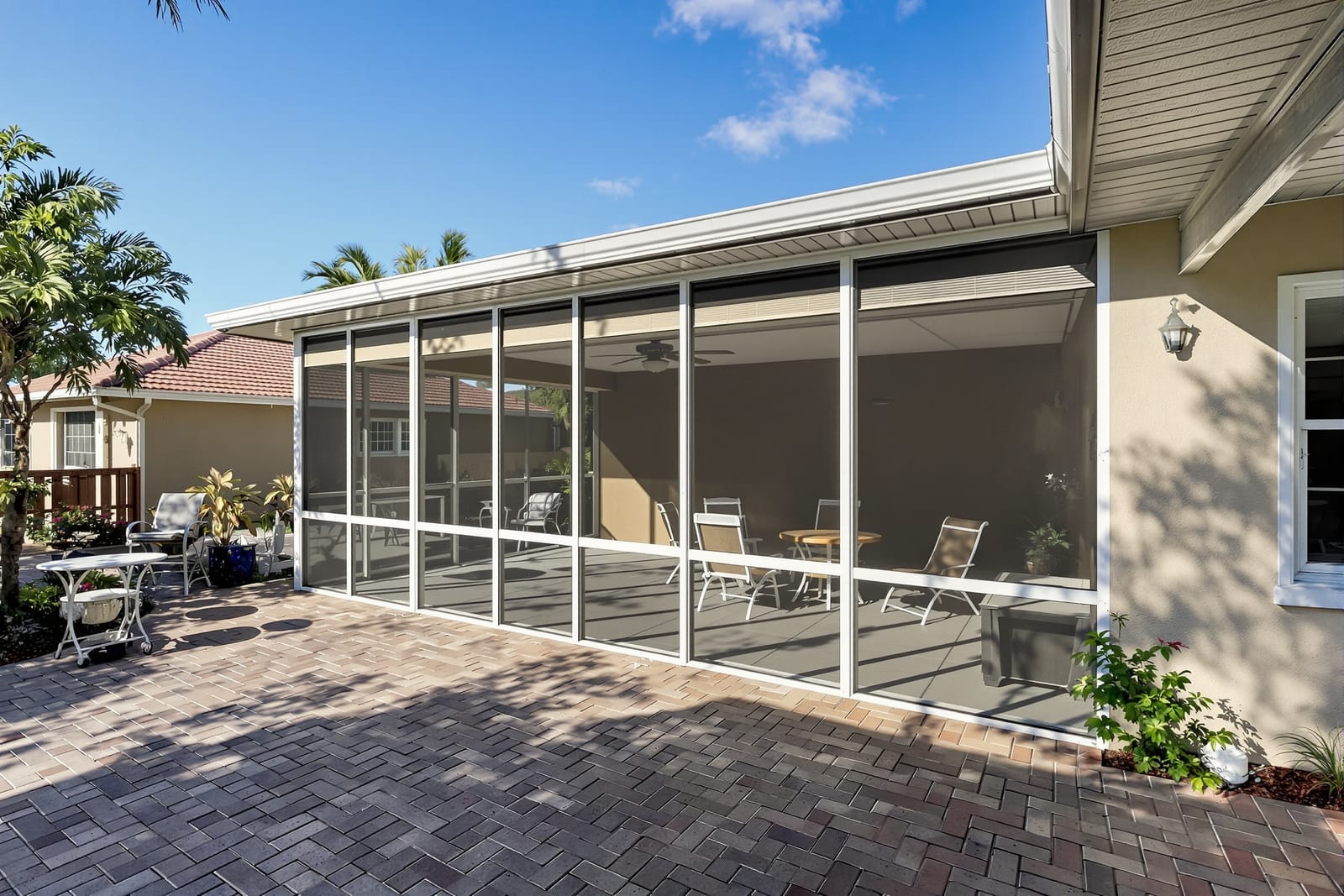
Keep your outdoor living spaces protected with lanai screen repair in Marco Island, FL. We fix ripped panels, popped splines, and damaged frames on patios and lanais. From single panel repairs to full rescreening, we restore visibility and bug protection without replacing the entire structure.
Marco Island Screening provides professional lanai screen throughout Marco Island, FL, Florida and the surrounding area. Our licensed, insured crew delivers safe, clean, on-time work with a free estimate before anything begins. Call 239-372-0981 or request your free quote.
Lanai screen repair tailored to Marco Island homes
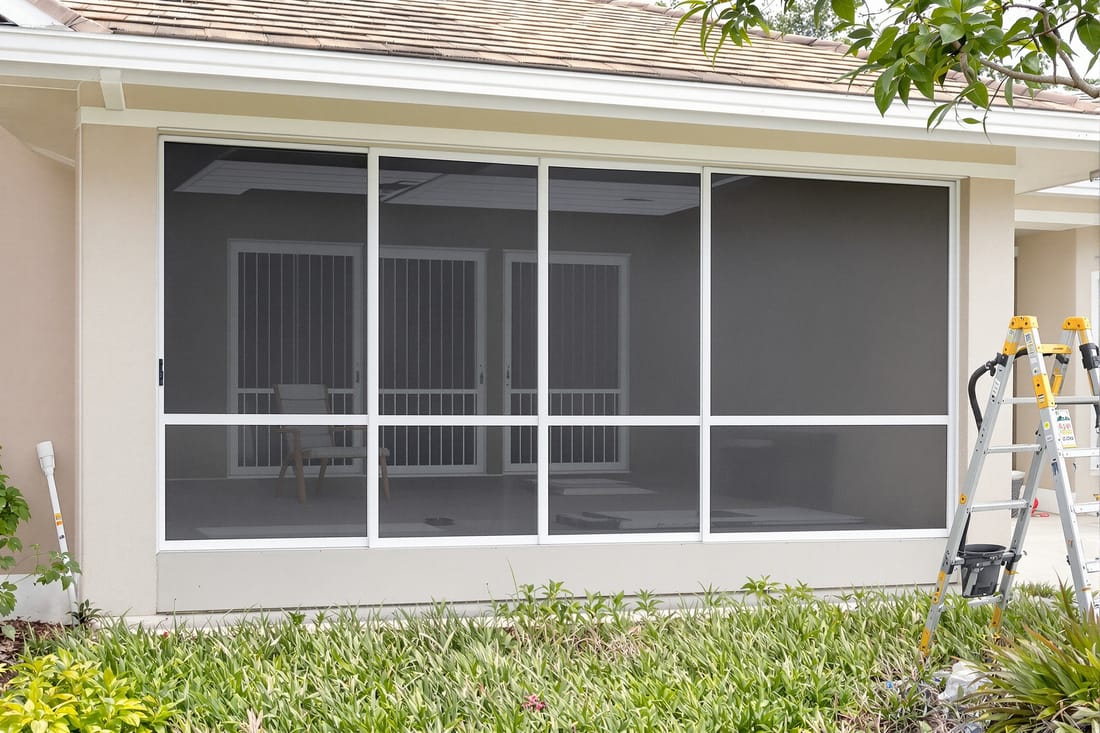
If your lanai or patio screen is ripped, sagging, or full of tiny “no-see-um” gaps, you feel it immediately in Marco Island: more bugs, more debris, and less time enjoying the breeze. Marco Island Screening focuses on lanai screen repair that fits how people here actually live, from morning coffee on the patio to sunset cocktails with friends.
When you call us, we start with a walkthrough of your space. We look at the frame condition, the type and age of your existing screen, rust on fasteners, damage from past storms, and any gaps along the base or roof line where insects and lizards sneak in. We also ask how you use your lanai. For example, if grandkids run in and out with sandy feet, you may need a tougher screen along the bottom panels than you do up top.
Because Marco Island is coastal, we always factor in salt air, intense UV, and afternoon storms. A lanai that looks fine at a quick glance might have brittle screen cloth that tears as soon as someone leans on it. During the inspection we gently press the mesh in several spots to check strength and look for salt buildup and chalking. This helps us recommend whether you truly just need a few panel repairs or it is time to rescreen a larger section to avoid piecemeal fixes every season.
At the end of the visit, we explain what we found in plain language and give you options, not pressure. Some customers choose to repair only the worst panels before peak season, then schedule the rest later. Others prefer to tackle everything at once so the lanai is sealed tight before summer storms roll in.
How patio and lanai screen repair actually works
A typical patio or lanai screen repair from Marco Island Screening follows a clear process so you know exactly what is happening at each step.
First, we carefully remove the damaged screen panel. Using a spline roller, we take out the old spline (the rubber cord that holds the screen in the frame) and pull the mesh from the track. We check the track for bends or corrosion. If a track is dented, we straighten it with a specialized tool so the new screen can sit tight rather than bunching or coming loose in the first storm.
Next, we cut new screen material to size on site. We cut each piece slightly larger than the opening, then trim down after tensioning so there are no gaps at the corners. We seat the new screen in the frame channel, then press in new spline using a roller with the proper wheel size for your particular frame. Using the wrong spline size is a common reason DIY repairs fail in our climate, either because the screen pulls loose or the frame warps from overtightening.
Once the panel is secure, we tension the screen evenly so it is tight but not drum-like. Too tight, and it can tear during wind gusts. Too loose, and it will sag, pool water, or flap in the breeze. On larger lanai walls or roof sections, we often stage the work so that we never remove more screen at once than necessary, which keeps your space usable and reduces stress on structural members.
We finish by trimming excess mesh, checking each corner, and running our hands gently along the spline channel to be sure there are no ripples or loose spots. Before we leave, we test sliding doors and existing hardware to ensure nothing binds, and we walk the perimeter with you so you can see exactly what was repaired and why.
Screen types, design choices, and what we recommend locally
Marco Island homeowners are not all looking for the same lanai screen. That is why Marco Island Screening carries several mesh options and explains the tradeoffs so you can choose what fits your home and budget.
Standard fiberglass screen is the most common choice for basic patio and lanai repairs. It is flexible and forgiving, which is good for windy days and homes with kids or pets. If you just have a few torn panels and want to get the space sealed up before guests arrive, this is often the quickest and most cost-effective solution.
For customers who are bothered by no-see-ums (very common here around mangroves and canals), we often recommend a tighter weave such as a 20x20 or 20x30 “no-see-um” mesh. This type of lanai screen blocks the smaller insects that can pass through regular mesh. It does slightly reduce airflow and light, so we often suggest using it in the lower wall sections and keeping standard mesh higher up for better breeze.
If you have pets that lean on or scratch the screen, a pet-resistant polyester or vinyl-coated screen is worth considering. It is thicker and more durable against claws and nose pushes. We typically install this in the bottom few panels only, which controls costs while protecting the high-contact areas your pets really use.
Color is another practical decision. Most Marco Island lanais use charcoal or black mesh because it provides better visibility and less glare looking out toward the water or landscaping. We can match your existing color if you only need partial repair, or suggest an upgrade path if you are planning to gradually convert the whole enclosure to a different mesh type.
During our visit, we can show you sample swatches and hold them up in your actual lanai so you can see the difference in privacy, airflow, and visibility before you decide.
What affects the cost of lanai screen repair in Marco Island
Customers often ask why two neighbors with similar lanais pay different amounts for screen repairs. The price is not random. Several specific factors influence the cost, and Marco Island Screening is upfront about them from the start.
The first factor is the scope of damage. Replacing a single lower wall panel is very different from repairing multiple wall and roof sections across a large pool enclosure. Roof panels in particular usually require more time, extra ladders or staging, and additional safety measures, which affects labor cost.
Access is another factor. Some lanais back up to narrow canals or thick landscaping. If we need to work from inside only, or if we have to remove shrubs or maneuver around pool equipment, repair takes longer. Homes built close to property lines also sometimes require special ladder setups or coordination with neighbors.
The type of replacement mesh you choose affects material cost. Standard fiberglass is less expensive than no-see-um or pet-resistant screens. However, in areas with heavy insect pressure or strong pet activity, investing in a better mesh often saves money over time by reducing how often panels need to be replaced.
Condition of the frame and hardware also matters. If your aluminum structure is in good shape, we can often simply clean the channels and install new screen. If there is corrosion, cracked corners, or rusted screws that snap during removal, we will need extra time and materials to restore the frame properly so it can hold new mesh securely.
We always provide a written estimate that spells out how many panels are being repaired, what mesh type is being used, and whether any frame or hardware work is required. That way you can compare options clearly and decide what fits your budget and your long-term plans for the property.
When to repair, when to rescreen, and how we help you decide
Not every lanai screen problem in Marco Island needs a full rescreen, but sometimes patching one or two torn panels on a very old enclosure is like putting a bandage on a larger issue. At Marco Island Screening, we walk you through that decision so you do not overspend or under-repair.
If most of your screens are under 7 to 10 years old and only a few panels are torn from a stray chair or a recent storm, targeted repair is usually the right move. In that case we match the existing mesh as closely as possible so the repaired panels blend into the rest of the enclosure.
If the screens are brittle to the touch, faded to a light gray, or tearing in long straight lines rather than ragged holes, that usually means UV and salt have weakened the entire mesh. In these situations, repairing one panel today often leads to another failure nearby in a few months. We will point this out and give you side by side costs for partial repair versus larger rescreening so you can choose based on how long you plan to keep the home or rental.
We also look at how water behaves around your patio or pool cage. If wind-driven rain comes through certain walls or roof sections, it may make sense to upgrade just those panels to a slightly tighter weave during repair. That approach can reduce the amount of spray that reaches outdoor furniture or sliding doors without fully changing the whole structure.
Our goal is to leave you with a lanai that is comfortable to use in Marco Island’s real conditions: humid air, sudden storms, and high insect activity at dawn and dusk. Whether the right solution is one new panel or a more comprehensive refresh, we explain the options clearly, provide a realistic timeline, and schedule the work around your availability and the weather so your patio or lanai is back in service as quickly as possible.