Home › Pool Cage Rescreening
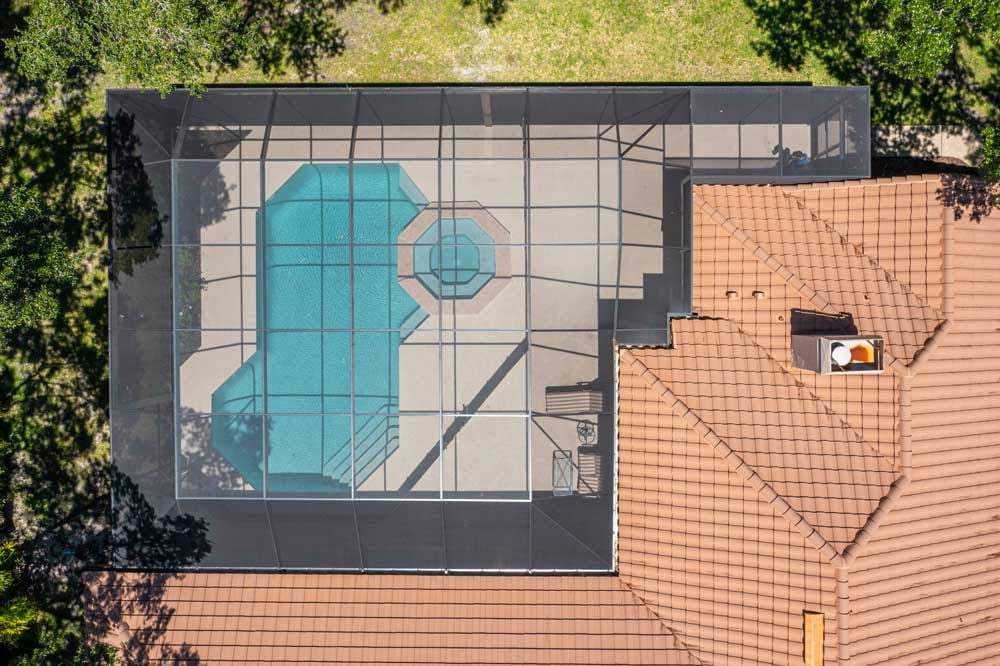
Give your aging pool enclosure a fresh start with pool cage rescreen reservices in Marco Island, FL. We strip out old, brittle mesh and install new, high quality screening across the entire structure. Improve safety, appearance, and airflow while keeping pests out of your pool area.
Marco Island Screening provides professional pool cage rescreen throughout Marco Island, FL, Florida and the surrounding area. Our licensed, insured crew delivers safe, clean, on-time work with a free estimate before anything begins. Call 239-372-0981 or request your free quote.
Pool Cage Rescreening for Marco Island Homes
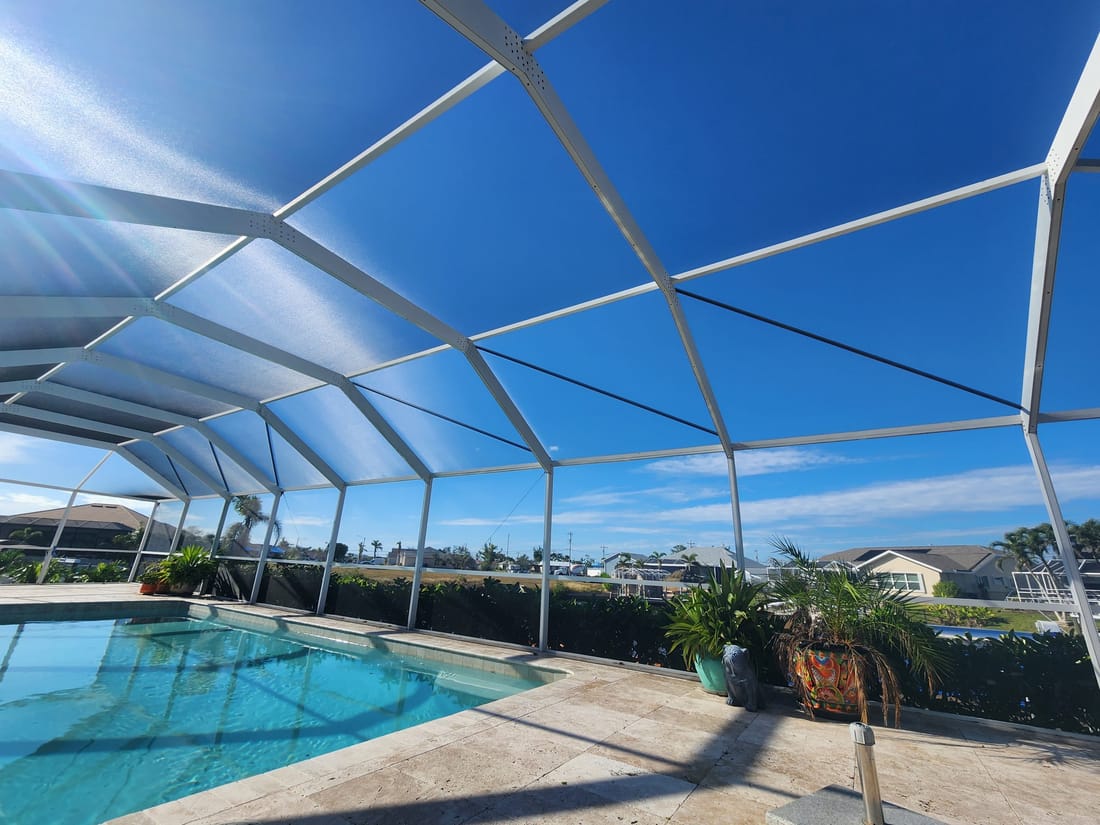
Marco Island Screening specializes in pool cage rescreens that stand up to our coastal sun, salt, and storms. We focus on restoring the structure you already have so it performs like new, instead of pushing unnecessary full replacements.
Most Marco Island pools are enclosed with aluminum cages built between the late 1980s and early 2000s. The frames often outlast the original screen by many years, especially with our sun, afternoon thunderstorms, and occasional storm debris. A pool cage rescreen replaces all or most of the mesh panels while inspecting and upgrading hardware, which is usually the most cost effective way to bring your enclosure back to full strength.
Whether you have a standard 1-story enclosure off a canal, a 2-story cage over a lanai, or a custom cage on a golf course lot, we tailor the rescreen to your exact structure and how you use your pool area. Our goal is simple: a tighter, cleaner, longer lasting screen that makes your outdoor space usable again with fewer bugs and less maintenance.
How Our Pool Cage Rescreen Process Works
When you schedule a pool cage rescreen with Marco Island Screening, we start with an on-site evaluation. We walk the perimeter, look closely at the aluminum members, roof panels, door hardware, and anchor points at the deck. We identify which panels are torn, sagging, or sun burned, and whether the cage needs a full rescreen or a partial replacement in the worst areas.
Before any panels come down, we protect your deck and pool. Furniture, grills, and decor are moved clear of work zones. If needed, we use plastic sheeting over the pool to keep debris out. We then remove the old screen one section at a time by taking out the spline (the rubber cord that locks the mesh into the frame) and carefully cutting and rolling up the old material.
Once the frame is open, we inspect for loose screws, rusted fasteners, and minor corrosion. Commonly on Marco Island, original builders used standard or coated steel screws that rust from salt air. We recommend upgrading to stainless steel fasteners in all accessible locations during the rescreen. Any bent or damaged frame members we find are discussed with you, along with the cost to repair.
New screen material is measured and cut on-site for each panel. We pull the screen tight, insert new UV resistant spline with specialized rollers, and tension the material so it will shed wind and rain instead of billowing. Roof panels are done in a specific pattern so we maintain the cage’s structural stability throughout the job, especially on larger or 2-story enclosures.
We finish by trimming excess mesh, checking every panel for even tension, and cleaning up all scraps, screws, and old spline. You walk the enclosure with us at the end so any concerns are addressed before we leave.
Screen Material Options for Marco Island Conditions
Marco Island’s intense sun and salt air mean not every screen material performs the same. During your pool cage rescreen, we help you choose mesh that matches your priorities, whether that is durability, view, or pest control.
Standard pool and patio screen is the most economical choice and works fine for many canal and inland homes. It keeps out most insects and has a 10 to 12 year typical life in our climate if maintained. For homeowners who are tired of frequent panel tears or who live closer to open water where the wind picks up, we often recommend heavy duty (18/14 or similar) or polyester-based screen that resists stretching and tearing better than basic fiberglass.
For customers who want maximum visibility from the lanai to the water or golf course, we offer high visibility screen that uses thinner fibers with a tighter weave pattern. This material reduces the “gray” look of the cage and preserves your view of the bay or fairway while still keeping bugs out. It is popular along the Marco River and Caxambas Pass where the view is a key reason you bought the property.
If you have issues with no-see-ums or very small biting insects, especially nearer to mangroves or marshy areas, we can install no-see-um mesh with a denser weave. This material reduces airflow slightly but significantly cuts down on tiny pests that slip through standard screen. We will walk you through tradeoffs in airflow, appearance, and cost so you can make an informed choice for each side or roof section of your cage.
We also discuss color options, usually charcoal or silver, and how they affect glare and the look of older aluminum frames. All materials we use are rated for outdoor use in Florida and sourced from manufacturers we have seen perform well in local conditions, not just in generic lab tests.
What Affects Pool Cage Rescreen Pricing
Pool cage rescreen costs on Marco Island vary based on several specific factors. During your estimate, Marco Island Screening breaks down these items so you can see what drives your total price instead of just getting a single vague number.
The primary factor is total square footage of screen. Large enclosures that run the full width of a lot or that cover both pool and extended lanai naturally require more material and labor. Roof style also matters. Mansard and hip roof cages involve more cuts and ladder work than simple gable roofs, and 2-story cages require additional safety measures, staging, and time.
Screen type is another major cost driver. Upgrading from standard mesh to heavy duty or no-see-um screen adds material cost but can pay off in longer life and fewer repairs. High visibility mesh costs more per square foot but is often selected only for the water-facing wall or key view panels, which helps balance the budget.
Frame and hardware condition can affect the final price. If we discover widespread rusted screws, failing tapcons at the deck, or damaged kick plates, we will list those as options in your proposal. Some homeowners choose a basic rescreen only, while others prefer a more complete refresh that includes re-screwing key structural points while the screen is off.
Accessibility matters as well. Tight side yards between homes, steep slopes down to seawalls, and pool features such as raised spas can slow work and require different ladders or staging. We account for that during the inspection so you do not get surprise change orders later.
Finally, timing and coordination with other work, such as pool refinishing, deck resurfacing, or cage painting, can influence how we schedule the job and may create efficiencies that reduce your overall cost if planned together.
Common Pool Cage Issues We Solve During a Rescreen
A well planned pool cage rescreen is not just about swapping mesh. It is also the best time to address issues that typically develop in Marco Island enclosures after years of sun and salt exposure.
One common problem is screen blowouts along the roof or windward wall. These often come from a combination of older, brittle screen and loose spline. During rescreening, we replace all spline with the correct diameter and material for your frame, so the new screen locks in firmly and resists pull-out during strong winds.
Another frequent issue is sagging or “baggy” roof panels. This can be due to improper tension during the original install or panels that stretched from years of afternoon storms. Our crews are trained to tension roof sections correctly, working from the center out and across structural members to prevent future pooling of water and debris.
We also see a lot of corroded or seized door hardware on cages around saltwater canals. While we are on-site for the rescreen, we can replace door closers, handles, and latches with new components that meet local safety expectations, especially important if you have children or a rental property.
At the deck, we pay attention to the interface between the cage and concrete. Cracked or loose anchors can affect overall stability and may be flagged during insurance inspections. If we find issues during the rescreen, we will suggest appropriate repairs or refer you to structural specialists when needed.
For older homes, especially those built before current building standards, we may recommend small upgrades like adding kick plate panels in high traffic areas to protect the lower screens from pool equipment, pets, and landscaping tools.
What Marco Island Homeowners Should Know Before Hiring
Before you hire any contractor for a pool cage rescreen, it helps to understand a few local considerations. First, verify that the company is familiar with Marco Island permitting and neighborhood guidelines. While most straightforward rescreens do not require a permit, repairs that alter the structure or height may, and certain communities have aesthetic rules about screen color and visibility.
Ask how the company will protect your pool and deck surfaces. Grinding out old anchors, cutting screen, and moving ladders can damage delicate pavers or newly refinished pools if not handled carefully. Marco Island Screening uses pads under ladder feet where appropriate and keeps cutting and grinding away from waterlines and coping.
Timing is another factor. Our peak season often follows major storm activity and the winter visitor season, so schedule early if you expect to need a rescreen in those periods. We can sometimes coordinate with your pool service or other contractors so the cage is open when they need it and closed again quickly.
Insurance and documentation matter as well. If you are rescreening due to storm damage, we can provide written estimates, photos, and invoices in the format many insurers and property managers prefer. This is especially important for rental properties and second homes where you may not be on-site.
Finally, clarify whether you want a full cage rescreen or selective panel replacement. A full rescreen creates a uniform appearance and usually reduces per-square-foot cost, while spot repairs are sensible if most of your screen is still in good shape. We walk you through the pros and cons based on the real condition of your enclosure, not a sales script.
Why Work With Marco Island Screening for Your Rescreen
Marco Island Screening focuses on screen work in our immediate area, which means we know the typical cage designs, wind exposure, and wear patterns of local homes. We have worked on waterfront properties off Collier Boulevard, older inland homes near San Marco Road, and newer construction in gated communities, and we understand the subtle differences in how each type of enclosure ages.
Our crews are trained specifically for pool cage rescreening, including 2-story and complex roof structures. We invest in the right ladders, walk boards, and safety equipment so work can be done efficiently and safely without cutting corners.
We specify materials that have proven themselves in Southwest Florida, not just what is cheapest that week. That includes screen meshes with solid UV resistance, spline sized to match your exact frame channels, and stainless or coated fasteners where practical to combat corrosion from salt-laden air.
Communication is part of the service. You get a clear, written proposal that lists the areas to be rescreened, the type of mesh selected, any recommended hardware upgrades, and estimated start and completion dates. During the project, you have a single point of contact for questions, which is especially important if you are coordinating work from out of state.
When we finish, we leave you with care tips tailored to Marco Island conditions so you can maximize the life of your new screen. That includes how to handle pressure washing, what to avoid around the frame, and what early signs of wear to watch for in the years ahead.
If your pool enclosure is showing its age with rips, stains, or loose panels, Marco Island Screening can inspect it, explain your options, and complete a pool cage rescreen that fits both your property and your budget.