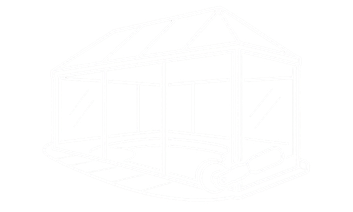

Living in Marco Island means spending as much time outdoors as possible, but the same coastal breeze and sunshine that make our area special can be tough on your screens. If you are planning a new screen installation for your lanai, patio, or pool enclosure, understanding how local conditions affect materials, design, and installation will help you get a structure that actually lasts in our salt air and stormy summers.
This guide walks through the key coastal considerations for screen installation in Marco Island and how a local screening contractor like Marco Island Screening approaches each project.
First, think about how close your home is to the water. Homes directly on the beach, canals, or bays are exposed to higher salt content and stronger winds than properties further inland. Salt can accelerate corrosion of aluminum frames and fasteners, while wind puts extra stress on panels and connections. For direct waterfront homes, we typically recommend upgraded, corrosion-resistant hardware and heavier-gauge aluminum for screen frames to reduce flex and long-term damage.
Wind is also why proper engineering and permitting matter. Marco Island sits in a hurricane-prone region, and screen installations must meet wind-load requirements set by local building codes. That means your lanai or pool screen enclosure is more than a simple frame with mesh; it is a structural system that should be engineered for uplift and lateral forces. A professional screen company will verify that the existing concrete footer and attachment points are strong enough and, if needed, recommend reinforcement or new structural members before adding large spans of screening.
Next, consider the type of screen mesh best suited for your lifestyle and location. Standard fiberglass mesh is common and budget-friendly, but in Marco Island’s coastal climate we often suggest upgraded materials.
For areas with strong breezes and potential storm debris, polyester or PVC-coated polyester screen can provide better tear resistance and longer life. If you are close to the water and bugs are a serious issue, a finer “no-see-um” mesh can help keep out tiny insects that can slip through standard screen openings. Homeowners with pets who lean or jump on screens may benefit from a heavy-duty pet-resistant mesh for lower panels, especially around doors.
Sun exposure is another major factor. South- and west-facing lanais and patios in Marco Island can become uncomfortably hot during the afternoon. In those areas, you might consider a solar screen product for certain wall sections. These specialized meshes can cut glare and heat while still allowing airflow. A balanced screen installation plan may use regular mesh on some walls for maximum breeze and solar mesh where you need more shade, like behind lounge chairs, outdoor kitchens, or dining areas.
Because most Marco Island homes are part of communities with HOAs or condo associations, design rules and color requirements often come into play. Many neighborhoods prefer white or bronze frames and have guidelines on enclosure height, roof style, and how far a pool cage can extend. Before starting any screen installation, review your HOA documents or bring them to your screening contractor so the design can be tailored to meet both code and community standards. This helps avoid delays and costly changes after the fact.
Drainage and existing decking are also critical, especially around pools and lanais. Marco Island’s heavy summer rains mean your screen enclosure should be integrated with the deck slope and guttering so water flows away from the house. When planning a new screen installation, we look at where water currently collects, how downspouts are routed, and whether the existing concrete or pavers are level and sound. Any cracks or settling may need to be addressed to ensure the frame has a stable base and doors open and close smoothly.
Homeowners are often surprised by how much difference door placement makes. Think about how you move around your property: access to the grill, side yard, dock, or driveway. Smart door locations can save steps and keep wet, sandy feet flowing through less visible areas instead of across your main entertaining space. Wider doors or double-door setups may be useful for moving furniture and pool equipment in and out without damaging the screens.
Maintenance should be part of your planning from day one. In Marco Island, sea breeze and landscaping debris will gradually coat your screens and frames. Designing with easy access in mind—such as panels that can be safely reached for cleaning and inspection—helps you keep the enclosure clear and reduces the chance of mold or staining. We usually recommend a gentle rinse a few times a year and a closer inspection before and after hurricane season to spot small tears, loose spline, or corroded fasteners.
Speaking of storms, it is important to have realistic expectations about how a screen installation behaves in severe weather. Properly engineered enclosures are designed with specific break points so that certain panels can release under extreme pressure, protecting the main structure from catastrophic failure. A local screening contractor can explain how your particular design handles wind and what steps you should take before a major storm, such as securing furniture away from the screens and inspecting for any pre-existing weaknesses.
Timing your project can make the process smoother. Many Marco Island homeowners schedule screen installation during the drier winter months, when afternoon thunderstorms are less frequent and humidity is lower. However, reputable screen companies work year-round and can plan around weather windows. What matters most is that they take time during installation to properly align frames, tension the screens correctly, and seal attachment points so the enclosure performs well across seasons.
Ultimately, the best screen installation for a Marco Island home is one that is tailored to your exact location, exposure, and how you use your outdoor space. By considering salt air, wind, sun, drainage, community rules, and long-term maintenance upfront, you can enjoy a breezy, bug-free lanai or pool deck that complements your home and stands up to coastal life.
If you are ready to enclose a new patio or upgrade an aging screen structure in Marco Island, FL, Marco Island Screening can help you review your options, choose the right mesh and frame system, and design an enclosure that fits your property, budget, and coastal environment.